Women Shaping Solutions for Food Insecurity – Recap
Food poverty is not inevitable — and together, we can do something about it.
For International Women’s Day celebrations Women In The Food Industry held a Food Insecurity panel and hackathon dedicated to learning, collaboration, and action on 3rd March 2026 at Corner Corner, Canada Water.
The evening wasn’t just about highlighting food poverty as a crisis — it was about recognising the women working to transform the systems that create it. It was an event for anyone who wanted to be part of building a more just and inclusive food system — from entrepreneurs and operators to creatives, activists, and allies.
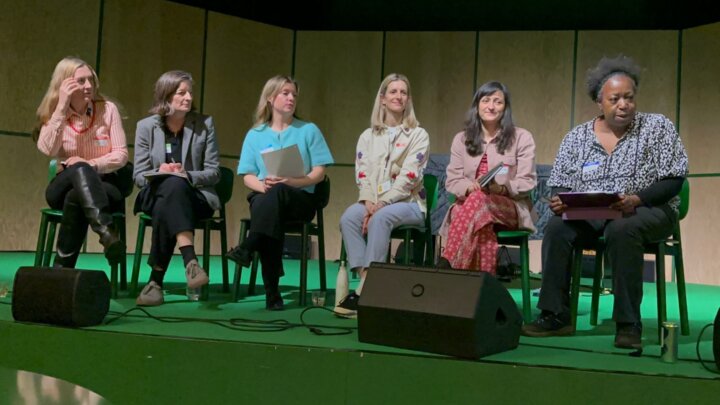
✨ Inspiring Food Insecurity Panel Discussion
We heard from leading voices working to tackle food poverty and transform the food system:
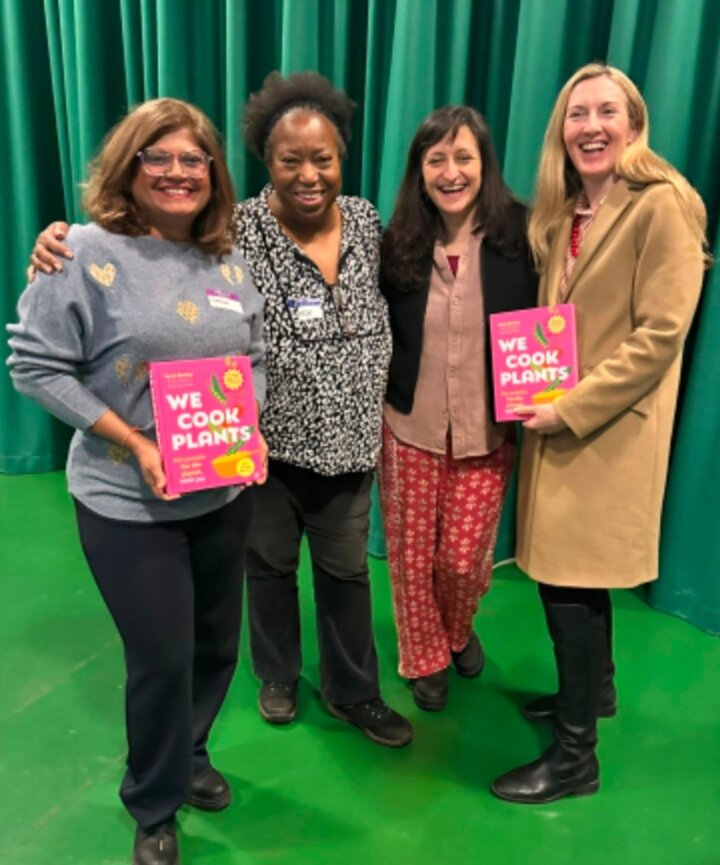
- Sarah Bentley – Food Justice Activist, Founder of Made in Hackney and Director of Food & Culture at Plant Based Health Professionals UK. Sarah is an award-winning food justice activist whose work connects plant-based diets, community empowerment and systemic change. She is also the author of We Cook Plants.
- Sareta Puri – Diversity Outreach Coordinator, Sustain – The alliance of better food & Farming. Sareta works at the intersection of equity, inclusion and food systems reform.
- Georgie Branch – Head of Programmes at School Food Matters, where she works to improve food education and school food standards, combining marketing insight with public health nutrition.
- Carly McGoldrick – Head of Partnerships & Impact at Food Bank Aid UK. Carly brings extensive experience in building high-value partnerships and scaling impact-driven programmes across the VCSE sector reducing food insecurity by combining systems-thinking with personalised support.
- Victoria Williams – Director and co-founder of Food Matters. Victoria has been instrumental in developing Sustainable Food Places and leads pioneering prison food reform work.
They shared insights, lived experiences, and bold ideas on how the industry can step up and create lasting change.
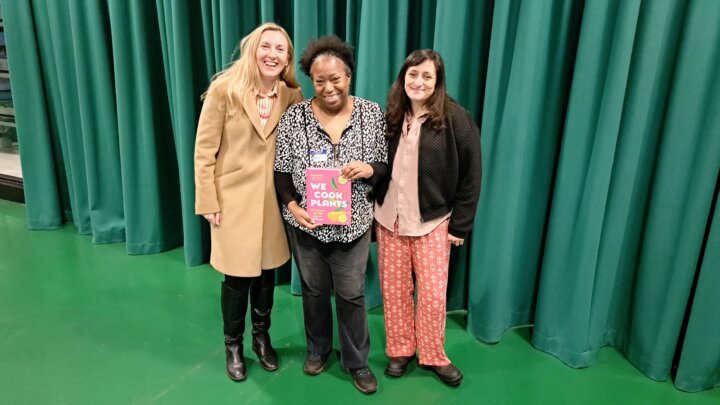
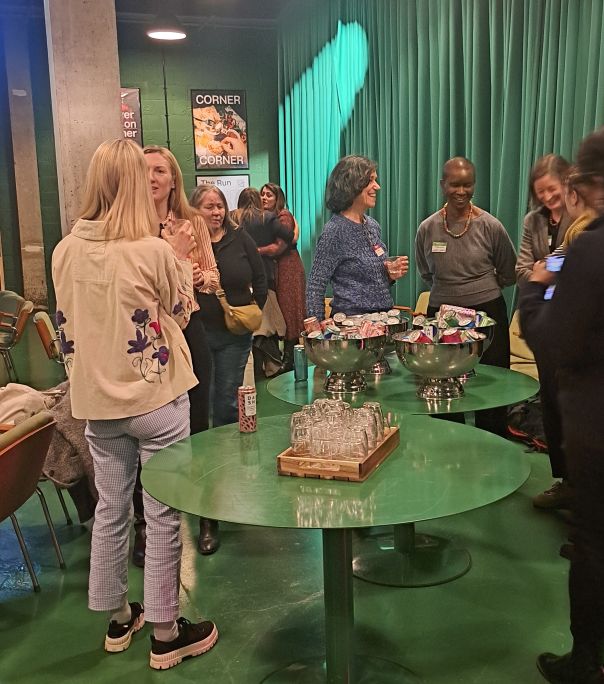
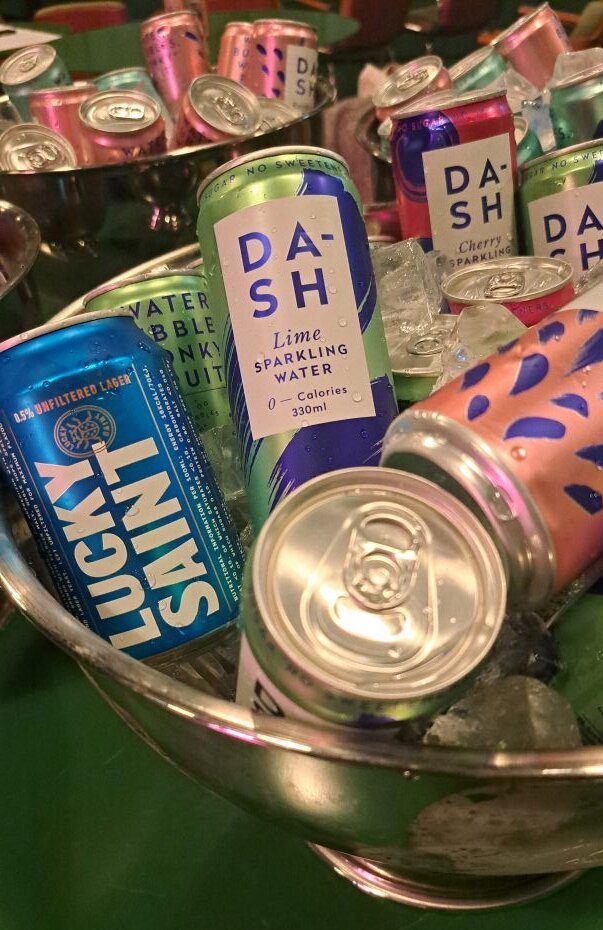
Thanks to Emma Heal, MD of Lucky Saint Alcohol Free Beer and Penny MacKintosh Commercial Director of Dash Water (both great B Corp drinks companies) for keeping us refreshed with drinks throughout the night.
✨ Food Insecurity Hackathon
After the panel we turned inspiration into action. The attendees broke into groups to explore challenges, generate ideas, and propose practical solutions.
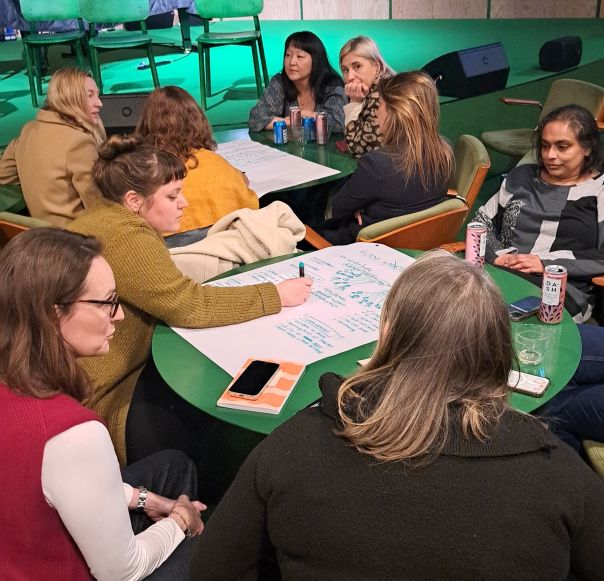
In the break out groups we covered:
Collaboration & Communication – How can charities, food companies and campaigners work together to ensure that those receiving food are treated with respect, dignity and given some element of involvement with shaping the system in
the future?
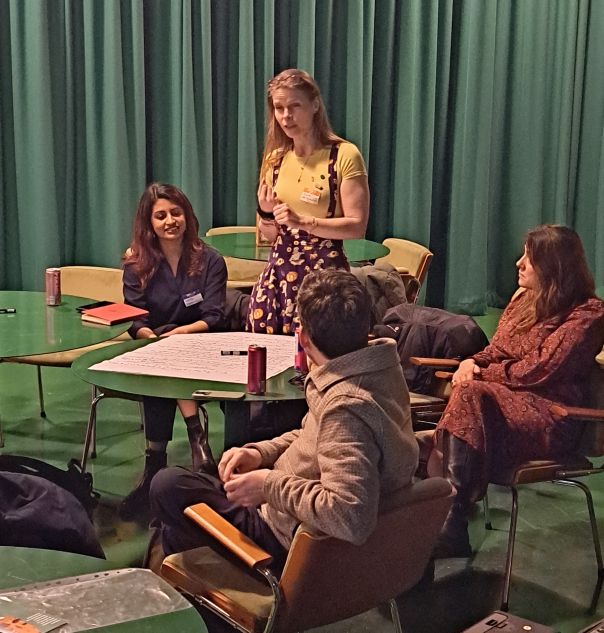
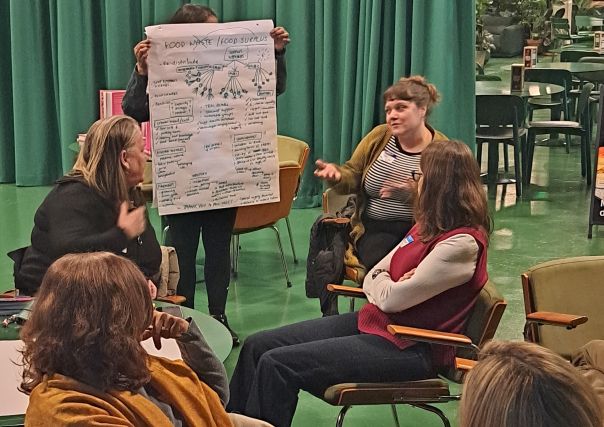
Food waste & Food surplus – How is out of date stock identified, at what point and how can Food Banks identify themselves as a stage to that chain? How can the public best work with surplus food to ensure it reaches those in need?
Commercial, Purchasing and the supply chain – Food Bank Aid purchases 78,000 food and essential items a week. They operate with an intentional procurement system where they get the best value for their money, with every 80p of £1 donated spent directly on purchasing. How can we support their role as purchasers and help their money go further?
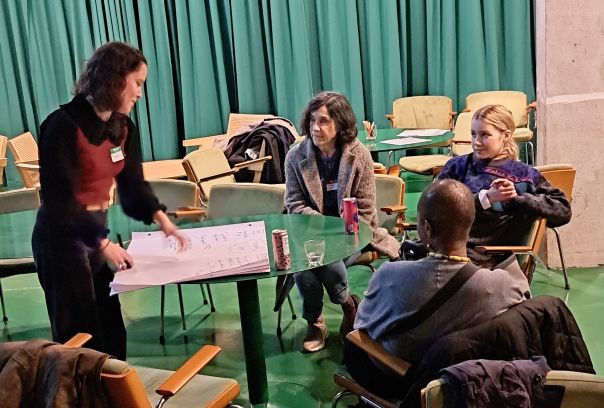
Role of the Government and local councils – How and should the government and local councils get involved? What does justice driven change look like as opposed to charitable giving/aid?
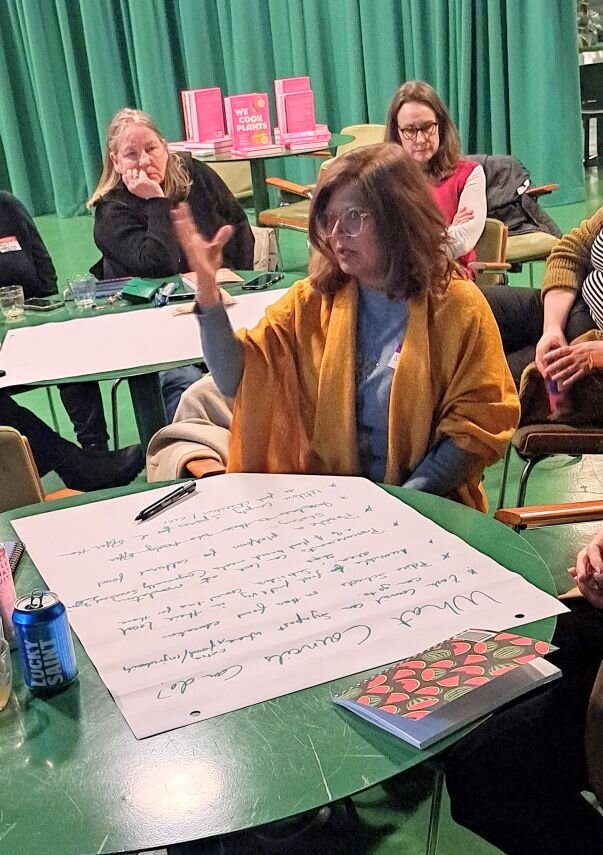
We heard that food insecurity is not simply about supply — it’s about power, policy, equity, dignity and culture.
We heard that:
- Charity alone is not enough.
- Systems change requires collaboration that redistributes power.
- Institutions — from schools to prisons to healthcare — are powerful sites of transformation.
- And meaningful inclusion must move beyond representation to shared decision-making.
If there was one thread connecting all of the evening’s contributions, it’s this: food systems are human systems. And transforming them requires courage, persistence, partnership — and leadership.
For our International Women’s Day celebrations, it felt especially powerful to recognise the women not only responding to inequality — but redesigning the structures that produce it.
Let’s continue to connect, learn, and take action together.
WATCH THIS SPACE AS MORE PHOTOS, RECAPS & THOUGHTS ARE ADDED TO SHAPING SOLUTIONS FOR FOOD INSECURITY
Some of our supporters