The Business of Supper Clubs – Recap
The Business of Supper Clubs Panel Event Recap

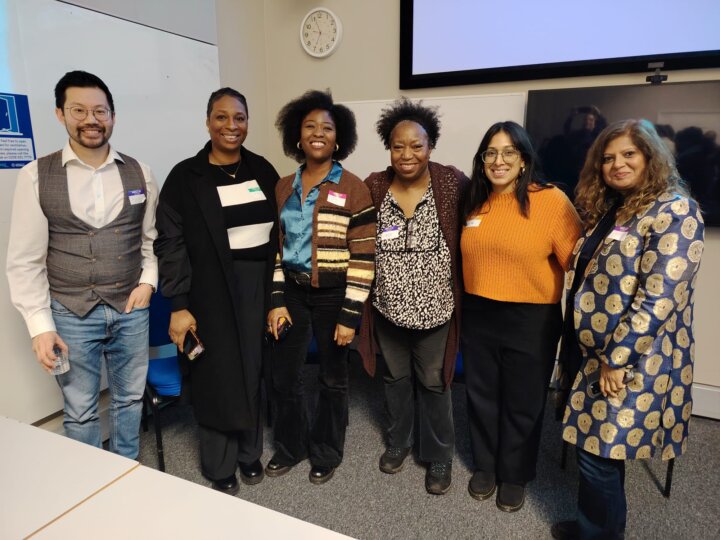
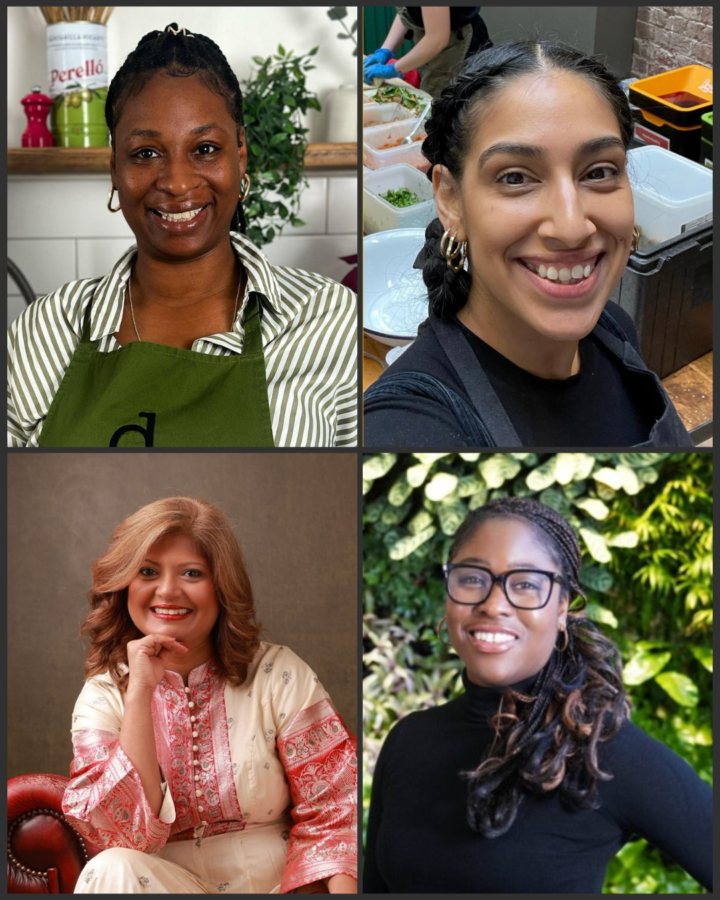
Our audience joined experienced host and award-winning chef Lara Luck, alongside emerging supper club host Smruti Patel, and Kerran “Keke” Kaur co-founder of Seeds of Wild which began as an intimate supper club and has now grown into a chef‑led creative food service rooted in wellness, storytelling and sustainability. Each lifted the lid on what’s involved – from hosting intimate dinners at home to running pop-ups and takeovers in restaurants or community spaces.

Here is a recap of The Business of Supper Clubs from Andrea Zick
I had the joy of attending an inspiring event hosted by The University of Greenwich and Women In The Food Industry, exploring the Business of Supper Clubs with three incredible women reshaping how we gather around food:
Lara Luck, award‑winning chef and storyteller; Cllr Smruti Patel, biomedical scientist turned community‑minded supper club host; and Kerran Kaur “Keke”, co‑founder of Seeds of Wild, where food, wellness, and narrative beautifully intersect.
What stood out was not just their talent, but how deeply human the supper club format is — rooted in story, culture, experimentation, and community.
In a hospitality landscape facing unprecedented pressures, from rising costs to venue closures, tonight made me reflect on how supper clubs might quietly be one of the most exciting evolutions in gastronomy today.
– Supper clubs are nimble.
– They’re intimate.
– They’re financially lighter to start.
– They allow chefs — particularly women — to build their own tables when traditional pathways still present barriers.
And perhaps most importantly, they centre connection at a time when the industry is contracting.
From legalities and allergens to pricing, creativity, cultural identity, and the balancing act of storytelling with commercial realities — the panel shared such honest insights about what it really takes to host experiences that are both meaningful and viable. I especially loved the reminder that trial and error isn’t a flaw of supper clubs… it’s part of the craft.
Hearing about community WhatsApp groups used for test dinners, the power of word‑of‑mouth, partnerships with ethical suppliers, and the role universities can play in enabling ideas to grow — it felt like a hopeful glimpse into how food businesses of the future might be built: with community, story, sustainability, and accessibility at their heart.
As someone researching how we design more sustainable food systems and empower chefs as change agents, tonight reaffirmed a belief I hold strongly:
Gastronomy doesn’t just evolve in Michelin‑starred dining rooms. It also evolves in living rooms, community cafés, borrowed kitchens, and around tables where strangers become friends.
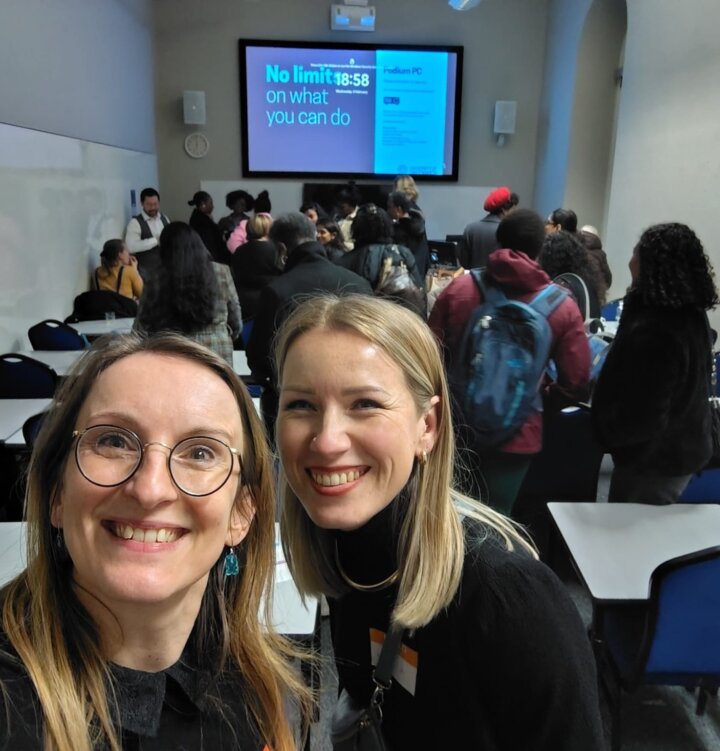
Thank you to Women In The Food Industry and the brilliant team Maria Gebbels, PhD, Dr Juliane Thieme, (pictured above), Aaron Tan Programme Director of the Help to Grow management course, a government funded programme for SMEs ready for growth and Lynette Lisk Programmes Manager at The Generator, the University of Greenwich’s enterprise incubator.
Thanks to the University of Greenwich for helping students to start, scale and grow their businesses for creating space for these conversations — and to the speakers for lifting the lid on both the beauty and the behind‑the‑scenes realities of supper club life.
A deliciously inspiring evening. 🍽️✨
Key Takeaways
Caroline Troy outlined her key takeways from the event
A few things that stuck with me:
✅Start simple: test your menu, your timing, and your setup with a small group before going big. As one panellist put it, you’ll learn more from trial and error than from overthinking.
✅It’s not just about the food: storytelling, connection, and creating an experience people can’t get in a restaurant is what makes supper clubs special.
✅You don’t need to make money straight away: for many hosts, supper clubs are a way to build a brand, grow a network, and open doors to other opportunities.
✅Community is everything: from sourcing ingredients to finding venues to getting your first guests through the door, relationships matter.
Panel Discussion
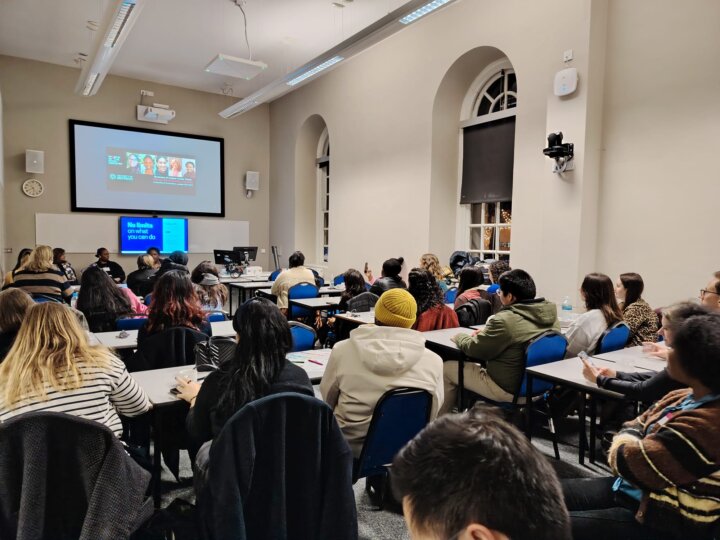
Moderated by Mex Ibrahim, Co-Founder of Women in the Food Industry, the panel brought together a knowledgeable panel with real-world advice.
Who Attended
This event was ideal for anyone curious about the creative and commercial world of supper clubs and alternative food businesses, including:
- Students and graduates interested in hospitality, food business, sustainability, or creative entrepreneurship
- Aspiring and established supper club hosts looking to turn ideas into viable ventures
- Food entrepreneurs, chefs, and creatives exploring pop-ups, collaborations, and non-traditional food models
- Home cooks and food lovers curious about hosting intimate dining experiences
- Community organisers and cultural producers using food as a tool for storytelling and connection
- Anyone considering how values such as wellness, sustainability, and creativity can shape a food-led business
Whether you were at the very beginning of your journey or already hosting events and looking to scale, this conversation offered practical insights, honest perspectives, and inspiration from hosts who’ve done it themselves.

Discover more upcoming events from Women In The Food Industry
Some of our supporters