South Asian Heritage Month – Food as Heritage, Food as Future Panel – Recap
South Asian Heritage Month Food Panel – Recap – 22nd July 2026
Food as Heritage, Food as Future : What South Asian Food Traditions Can Teach Us About Building Better Food Systems
As food systems face intensifying pressure from climate change, biodiversity loss and growing health inequities, policymakers and practitioners are increasingly searching for models that can deliver healthier, more resilient and more equitable outcomes at scale.
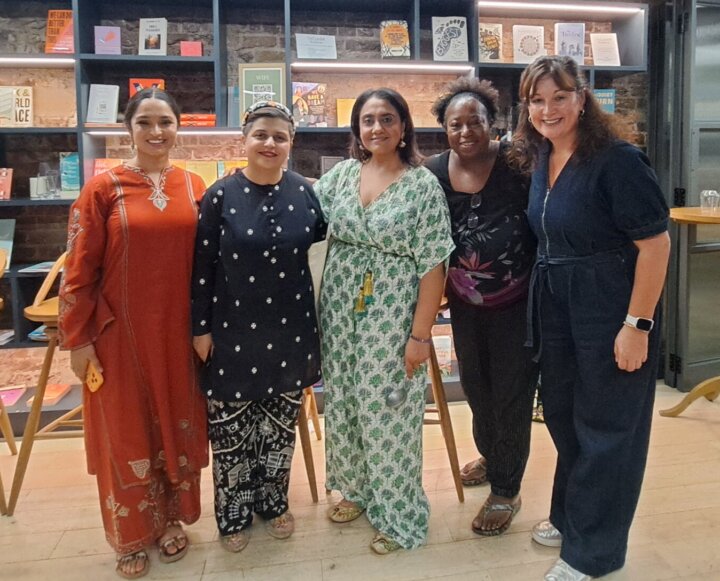
This panel, presented as part of South Asian Heritage Month, explored how South Asian food traditions offer valuable insights for the future of food systems. Through centuries of cultural exchange, adaptation and resourcefulness, South Asian cuisines have developed approaches to nutrition, plant-based eating, ingredient diversity and food stewardship that remain highly relevant today.
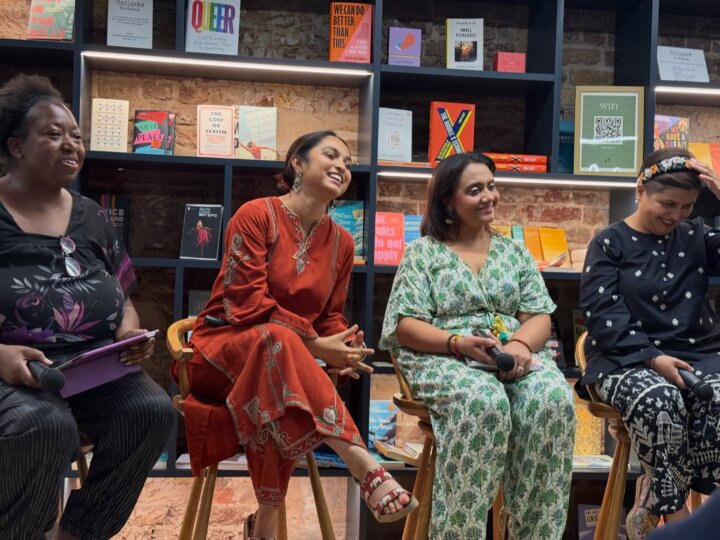
Taking inspiration from the South Asian Heritage Month theme of connection, movement and cultural exchange, our discussion and workshop at The Conduit examined how recipes, ingredients and food knowledge travel across borders, shaping identities while offering practical lessons for a more sustainable future.
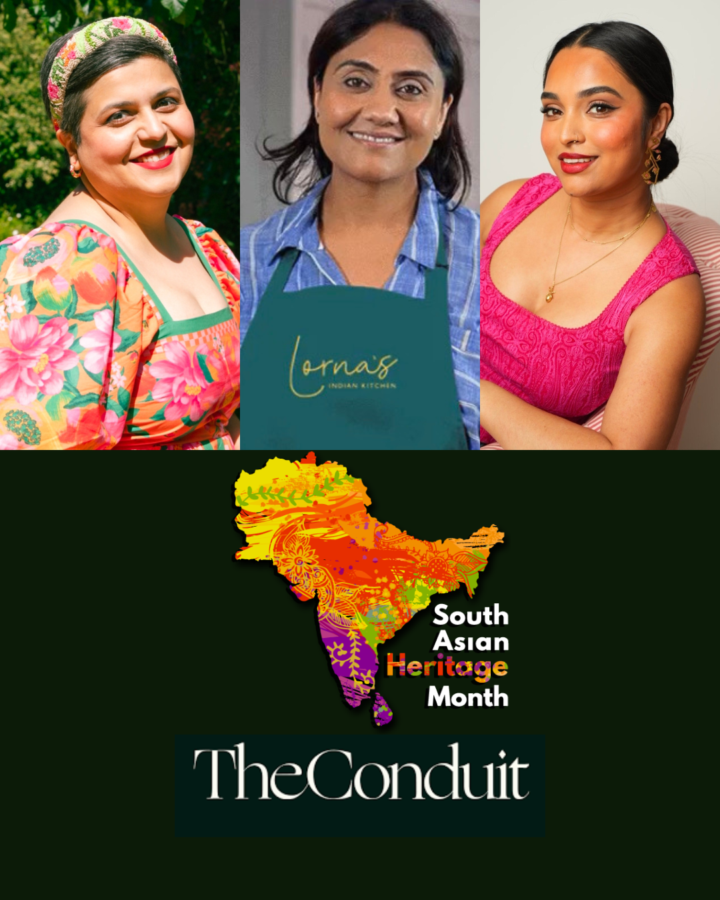
The event brought together experts from food systems, nutrition, culinary heritage, and sustainability to discuss how food can be treated as a central lever for building healthier, more resilient and more equitable systems at scale.
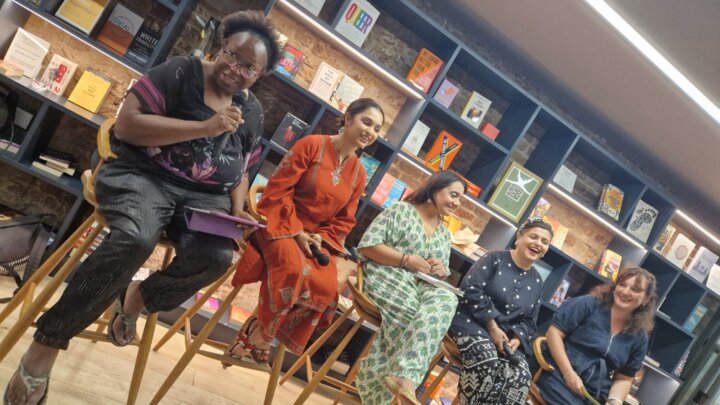
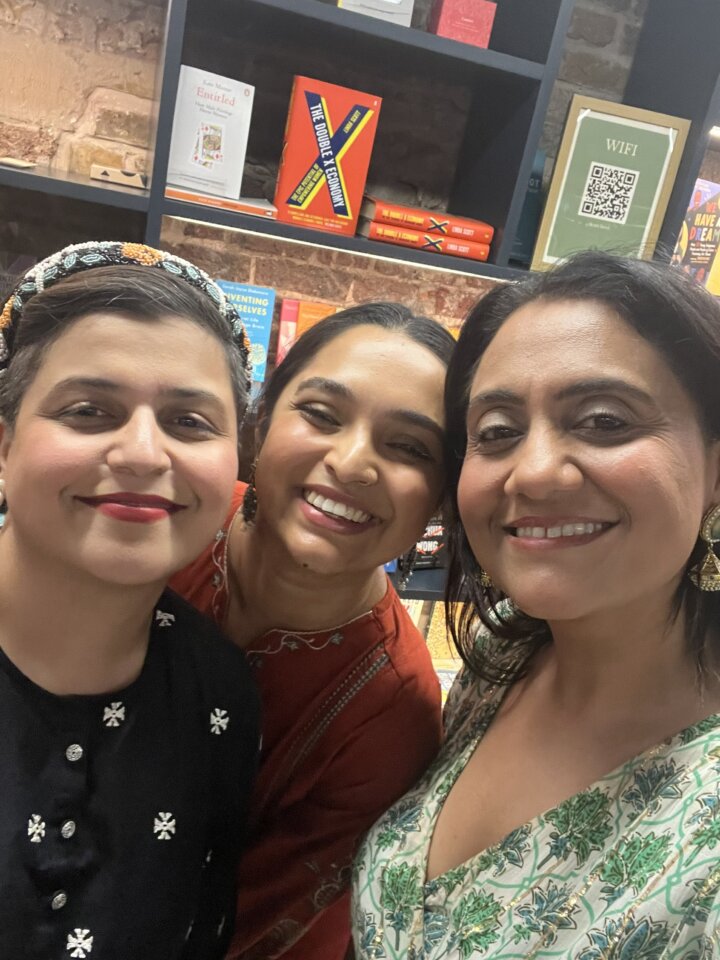
Meet our panellists
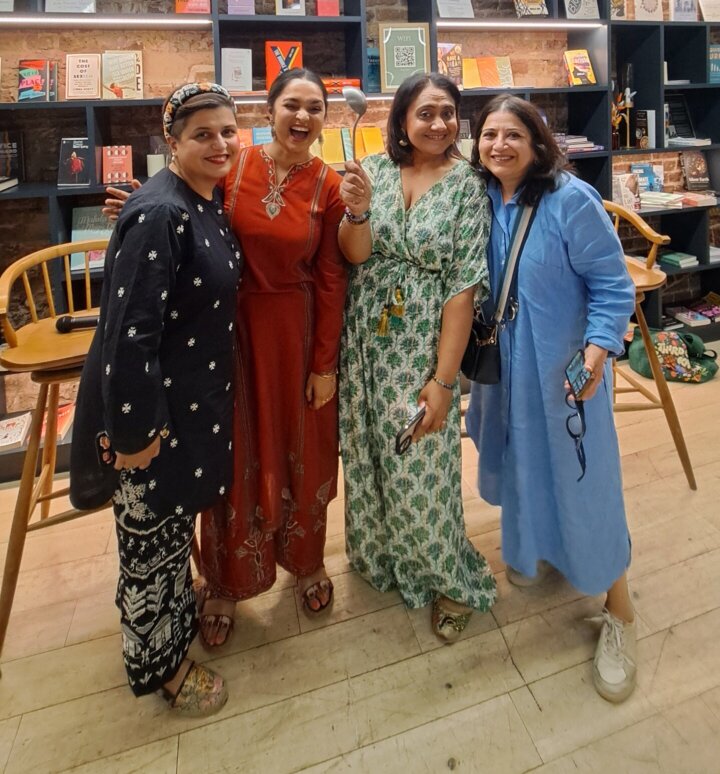
Sohini Banerjee is the founder of Smoke and Lime, a supper club born in a one-bedroom flat in North London and dedicated to keeping the cooking traditions of Bengali matriarchs alive at a communal table.
Smoke and Lime was built on a founding belief that food is memory and practice of intuition. Sohini’s menus draw directly from the distinct recipes passed down through the houses of Kolkata’s matriarchs, dishes shaped by centuries of colonial influence, periods of famine in Bengal, and the quiet genius of home cooks who wasted nothing and flavoured everything. That zero-waste ethos is not a trend for Sohini; it is the backbone of Bengali cooking itself, and it sits at the heart of everything she does.
The supper clubs are designed to feel like coming home. Guests sit together, eat family style, and find themselves in conversations that stretch long past the last plate. Sohini’s mission is to show that zero-waste cooking is not about restriction; it is about creativity, generosity and joy. Every dish tells a story. Every shared table builds a community.
Saliha Khan Sadozai is a Pakistani chef, writer, and founder of Third Culture Kat, a food and heritage platform that brings people together through supper clubs, events, and artisanal condiments.
Her culinary training at Le Cordon Bleu London, alongside her roots in farming and a background in education and politics, shapes her approach to food as a gateway into wider conversations around history, migration, identity, agriculture, and community. Through storytelling, research, and shared meals, she uncovers the connections between people, place, and culture, championing the often-overlooked stories that shape the world around us.
Lorna Nanda is the founder and owner of Lorna’s Indian Kitchen and Cookery School, based in Woking, Surrey, specialising in the food of her North Indian and Punjabi heritage. A corporate escapee from the world of Telecoms, Lorna turned a lifelong passion for authentic home cooking into an award-winning food business. She is a Great Taste Producer with the Guild of Fine Food and, since 2025, a Great Taste Judge. Her work has been featured in The Guardian, Stylist Magazine and across BBC TV and radio.
A passionate advocate for the provenance of food, Lorna cooks with a firm farm-to-fork ethos, using seasonal, locally sourced and free-range produce. She believes that South Asian food traditions carry deep knowledge about whole-ingredient cooking, spice, seasonality and resourcefulness that modern food systems would do well to learn from.
Many will recognise Lorna as the winner of the launch series of The Big Family Cooking Showdown on BBC Two (now available on Netflix), where she brought “ghar ka khana” — real, home-style Indian cooking — to a national audience. Through her cookery school, farmers market stalls, pop-ups and corporate events, she shares the depth and diversity of traditional Punjabi family recipes with food lovers across Surrey, London and beyond.
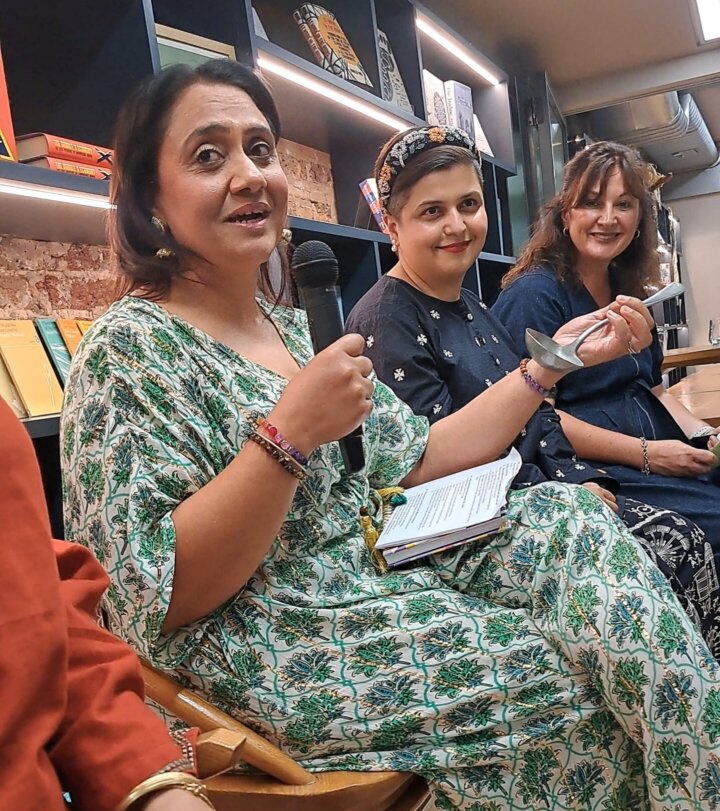
Moderated by
Mex Ibrahim is an award-winning food advocate passionate about gender equality, co-founding Women in the Food Industry in 2019. The organization supports women across the food sector, advocating for equality, inclusion, and leadership opportunities, and empowering women to achieve their career goals in the industry. It became a non-profit social enterprise in July 2023.
Catherine Archer founder of Brand Archery works with purpose-led food & drink brands and system innovators to turn strong ideas into commercially successful, future-fit businesses. Through Brand Archery, she helps organisations design brand and business growth strategies that unlock scale, sharpen positioning, and deliver sustainable growth.
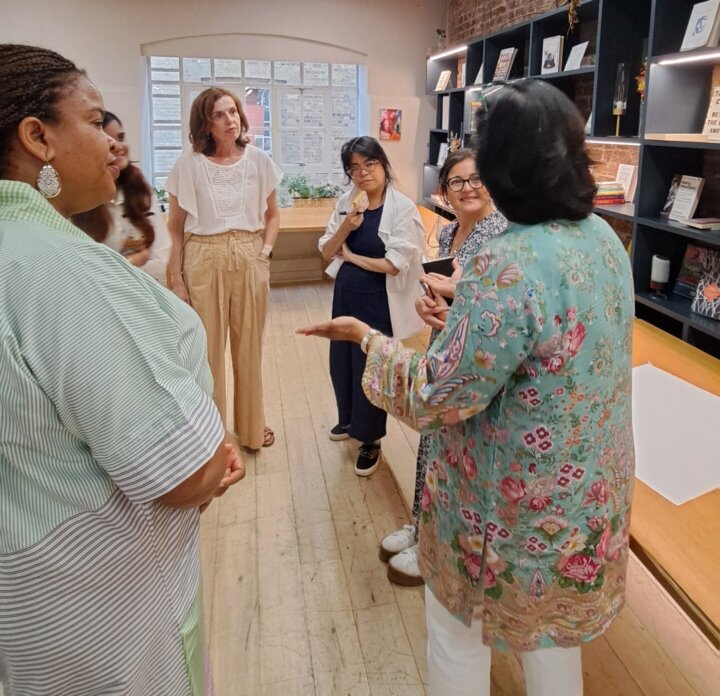
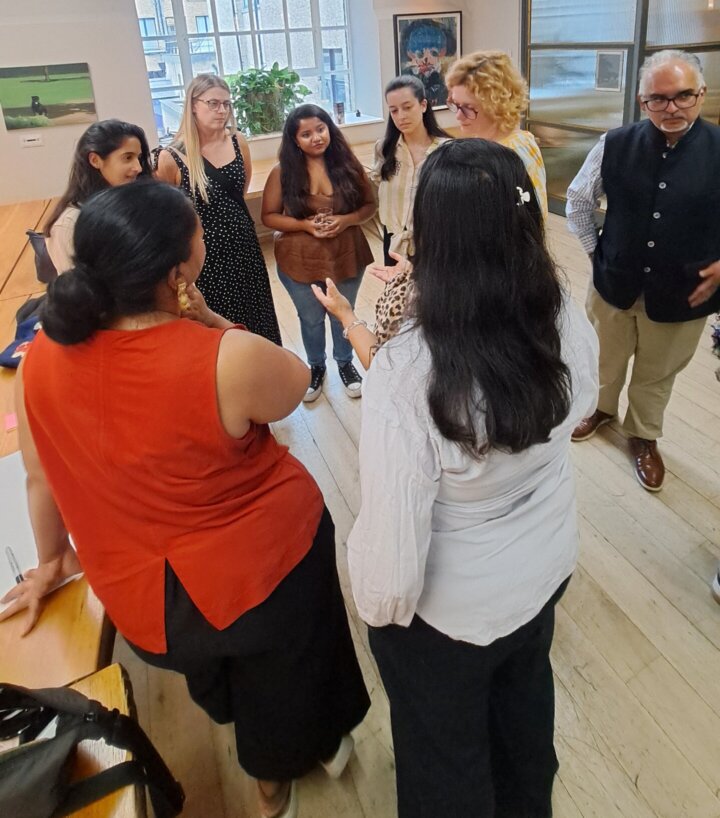
We heard some wonderful ideas that evening about heritage, sustainability, health and community. However rather than simply ending the conversation, the audience broke into groups to discuss a number of challenges. The challenge for each group was to think about how these ideas could influence the way we work – not just the way we eat.”
- How do we celebrate cultural food traditions without simply turning them into the next food trend?
- If there was one action you’d like policymakers, businesses, chefs, educators or consumers to take away from tonight, what would it be?
- Could each of you also write personal commitment – “Inspired by today’s discussion, we will…”
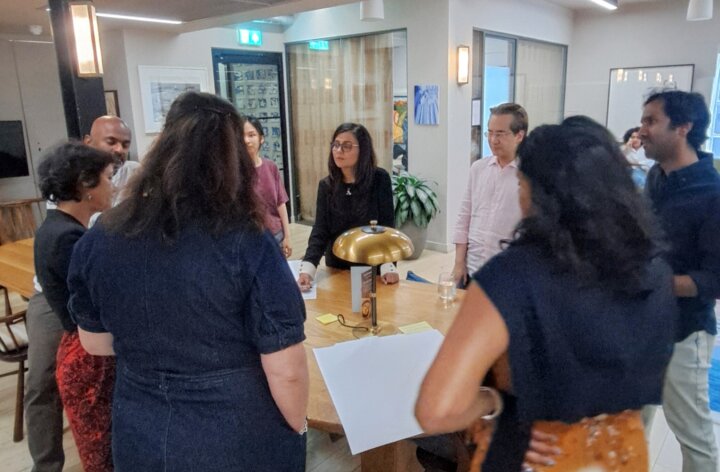
Hospitality Consultant Mandeep Singh Gabhari wrote on LinkedIn – “This month is South Asian Heritage month and I had the pleasure of attending the Women In The Food Industry, and Conduit panel session. Another great event organised by the talented and great advocate, Mex Ibrahim.
Where the panellists shared their thoughts on food and life…. on how South Asian food is placed into one box and often have that box placed on a lower shelf. When it should been unboxed and it’s individuals styles display clearly to be enjoyed. Yes, there’s similarities, but each country and regions within each country have their own unique style…
And styles that are often softly retuned by those moving to the UK or other countries…due to the availability of authentic products. Sadly it only when large organisations or sectors like Wellbeing promote these ingredients do the masses discover them….Which often resulted in a Western diluted version, or them reaping the financial benefits, while those producing the products in the South Asian countries get pennies!
Wonderful hearing the panellists, meeting good friends and a big thanks to Lorna Harinder Nanda Gangotra for the invite.”
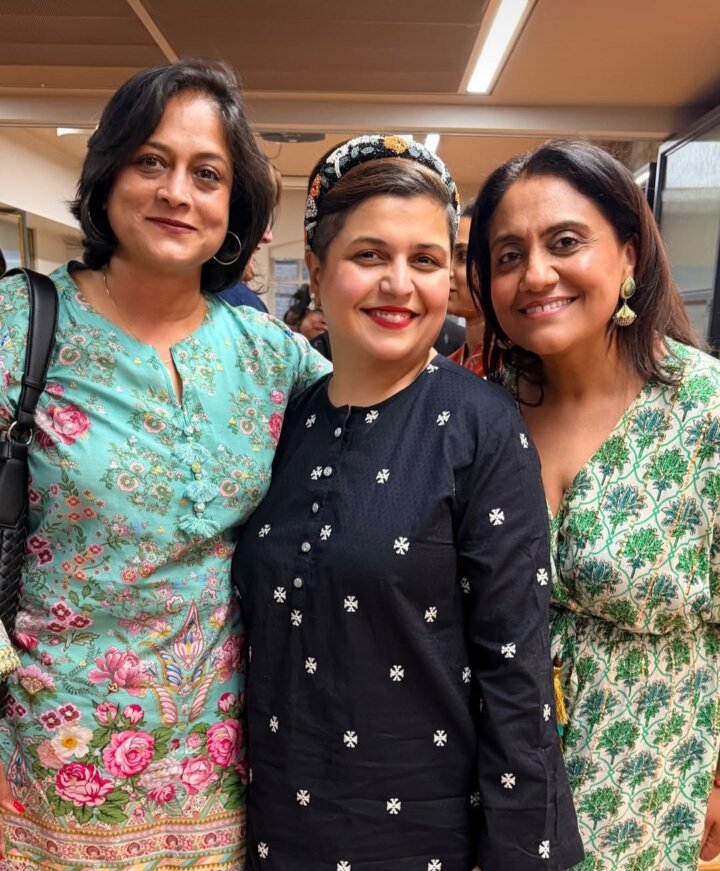
Sustainability Skills Coach Andrea Zick PhD also wrote on LinkedIn “I had the privilege of attending a fascinating panel discussion as part of South Asian Heritage Month, exploring the connections between food, identity, migration, community and belonging. The conversations highlighted how food is far more than nourishment. It carries stories, history, culture and lived experiences across generations and borders.
As a white immigrant living in the UK, some of the themes around identity and belonging resonated with me. At the same time, I recognise that my experience is vastly different. I am rarely subjected to the prejudice and racism that many people face simply because they do not “look” British, despite often being far more British than I am. That perspective was a powerful reminder of the importance of listening, learning and showing up as an ally.
One of the key takeaways for me was how food can open doors to conversations that might otherwise feel difficult. Through sharing meals, recipes and the stories behind them, we create opportunities to understand one another beyond assumptions and stereotypes.
I left with a deeper appreciation of the diversity within South Asian cultures and cuisines, the importance of preserving cultural stories, and the role food can play in building connections across communities. The discussion also reinforced that representation matters and that cultural traditions deserve to be understood in their richness rather than being reduced to a single narrative.”
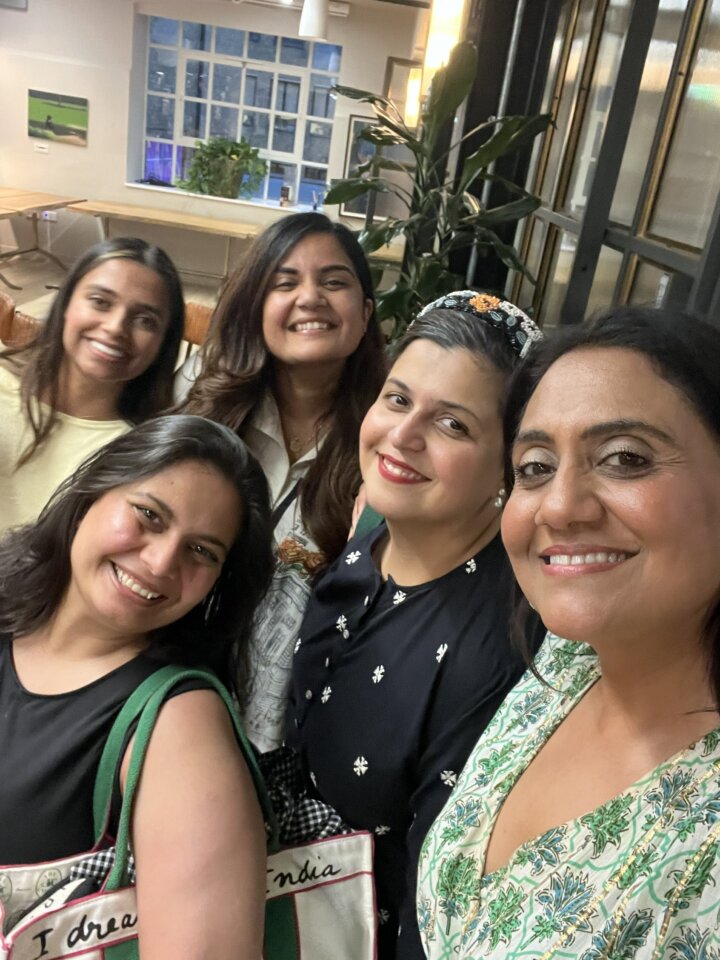
Louise Monaghan wrote : “One comment I loved:
“Nobody in Asia eats dhal because it’s high in protein. They eat it because it’s delicious.”
How often do we reduce traditional food to health claims, forgetting the heritage, memories and culture that sit behind every dish?… We don’t need to teach South Asian food how to embrace modern food trends. We need to do a better job of recognising, celebrating and learning from the wisdom that South Asian food traditions have been quietly demonstrating for generations. If we’re serious about building better food systems, perhaps that’s where the real lessons lie.”
Louise has written a great Substack article with more of her thoughts on the event.
Watch this space for more highlights and photos from Food as Heritage, Food as Future.
Some of our supporters